
More than ever, we need to be reaching for the tools that help us cope—the ones that steady us through turbulence and guide us back to center. But no matter how robust our toolbox may be, challenging times will challenge us to upgrade it. To replace, refine, or expand our go-to strategies.
A tool that once helped you regulate may no longer meet you where you are now. The practices that grounded you in calmer seasons might feel inaccessible—or even agitating—when the pressure is turned up.
And so the question becomes: Are the tools we’re reaching for helping us connect or helping us avoid?
Sometimes we need tools that support our process—tools that allow us to move through rather than move around difficulty. They help us meet the moment with breath, presence, and self-compassion. They don’t promise to erase the pain, but they help us stay with ourselves until we’re on the other side of it.
Other times, we reach for tools that numb us, distance us, or momentarily distract us from the overwhelm. And to be clear—there’s no shame in that. We are human, after all, and being human is a turbulent, often overwhelming experience. That’s under the best of circumstances. When things get rocky, we deserve compassion for simply trying to make it through.
To stay present, embodied, and emotionally dialed-in when life feels impossibly heavy can feel like the work of superheroes. And in many ways, it is. But it’s also human work—hard, sacred, and worthwhile. With the right tools and enough practice, it’s within reach.
So ask yourself:
What’s in my toolbox now?
And is it all still working for me the way it once did?
Maybe meditation once brought you calm, but now feels overwhelming.
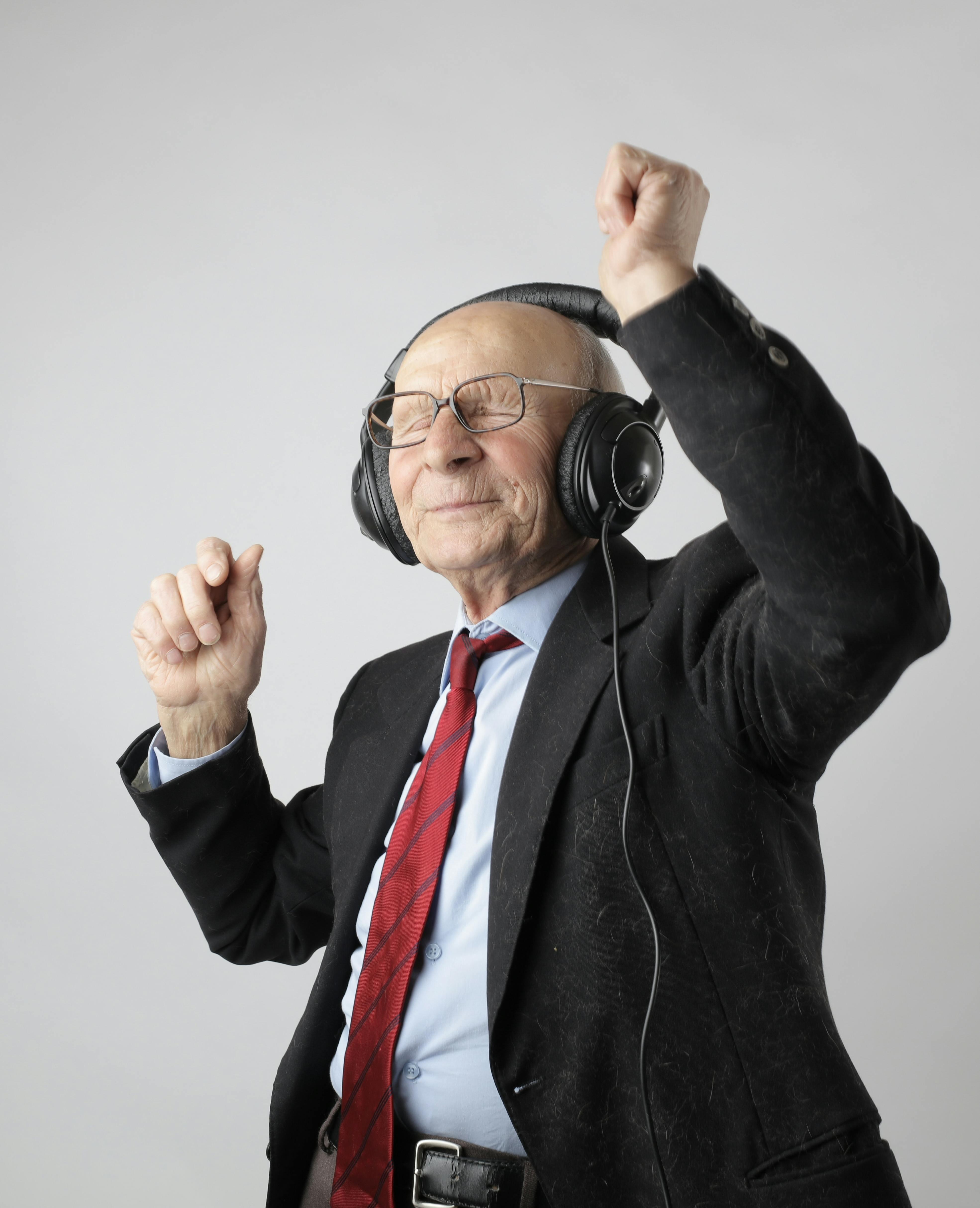
Maybe sitting in stillness triggers more activation, and you need to move—run, dance, shake, breathe—instead.
Maybe the cannabis consumption that was once a way to deepen your sense of connection has become a way of dulling your emotional edges.
Maybe the ice baths that once invigorated your system now leave you more dysregulated than soothed.
Maybe journaling used to help clarify your thoughts, but now you need to sort through them with a therapist instead.
What once worked well might not work now. And that’s okay.
Nobody gave us a manual for this level of existential intensity. There was no onboarding process for how to live through so much, so fast, for so long. We deserve forgiveness, grace, and deep tenderness as we try to cope in an increasingly demanding world.
And we also deserve to believe in our capacity.
To rise to the moment.
To stay with what we feel.
To look instead of turning away
To choose tools that don’t just get us through life, but bring us more fully into it.
To not just survive, but to be enlivened.
To stay present for what matters.
To show up for the people we love.
To participate, however we can, in the world we want to build.